

Environmental challenges cross all borders, but different nations approach them through the lens of their unique heritage.
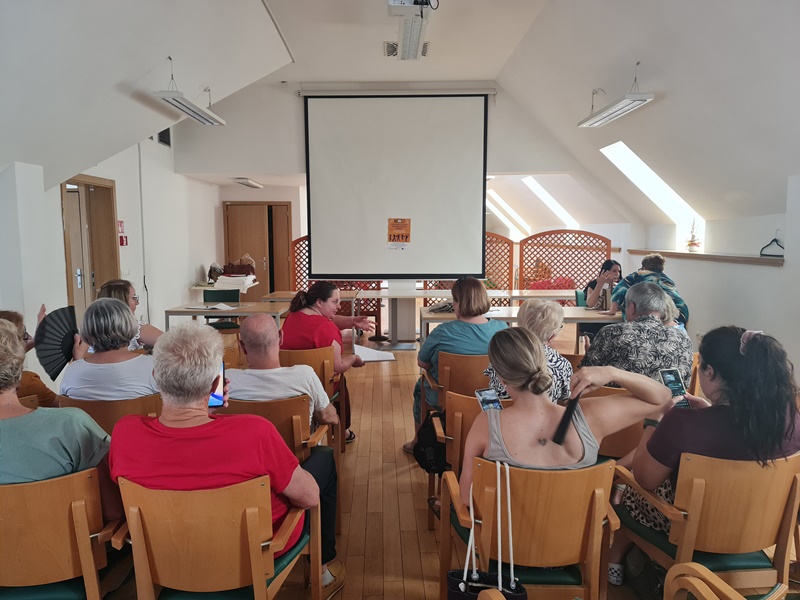
This was the brilliant focus of the local workshop organized in Bosnia and Herzegovina by the Association of Slovenians 'Triglav' from Banja Luka within the framework of the project "The Culture is Cool", which is co-funded by the European Union under the Citizens, Equality, Rights and Values (CERV) programme. The workshop, titled "Green Diversity (Eco-Cultures)", focused on how different societies approach ecology and climate change. Youth engaged in the "Green Footprint" introductory icebreaker, which quickly led into the "Marketplace of Solutions" game, where groups represented different global regions (such as Amazonia, Scandinavia, or indigenous island nations) and "sold" their traditional, eco-friendly practices to the rest of the participants. This was followed by an "Eco-Quiz" regarding how climate change disproportionately affects different cultures and indigenous peoples, and reached its peak with the "Global Climate Summit" simulation. During this high-stakes role-play, youth acted as UN delegates balancing national economic and cultural interests with global environmental preservation, proving that environmental protection is deeply connected with cultural values.
The Bosnian delegation carried these vital conclusions to the final international milestone in Novo mesto, Slovenia, which officially opened on Thursday, June 18, 2026. Following the established program, the international conference kicked off with official registrations, a welcome address, and a comprehensive presentation of the project's long-term objectives. The afternoon continued strictly according to the schedule with an intense and thought-provoking plenary session titled "Nurturing cultural diversity – the foundation of a shared future", which seamlessly transitioned into interactive workshops on "Overcoming Stereotypes" and "The Power of Art in Intercultural Dialogue". Openly addressing the delegates, project coordinator Ester Snedec inspired everyone by reminding them that culture is a living, breathing organism and our shared responsibility. "Culture is the invisible fabric that connects us," Snedec emphasized. "It is the lens through which we view the world, shaping our values, our hospitality, our sense of right and wrong, and our daily relationships."
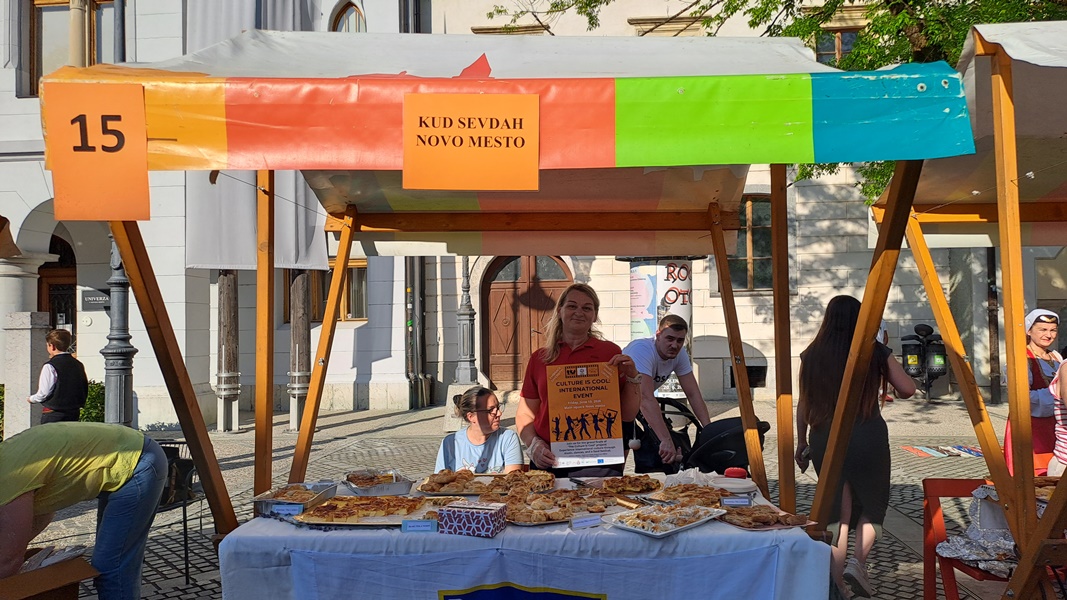
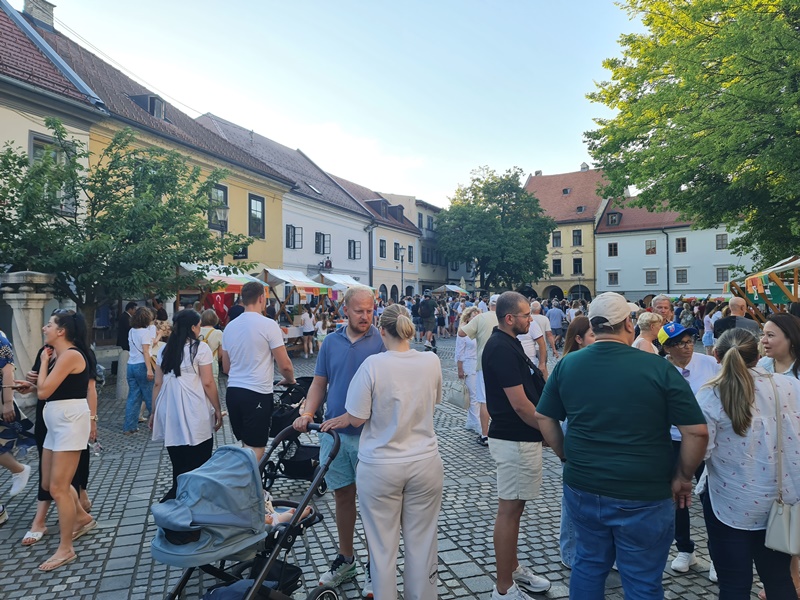
The conference achieved its public breakthrough on Friday, June 19, 2026, when the conference proceeded with a morning strategic workshop where partners focused on planning future joint initiatives and ensuring the project's long-term sustainability. After a lunch break, the schedule led the participants to a cultural tour of the expert exhibitions at the Dolenjska Museum, before the international partners gathered on the Main Square for the spectacular Teden kultur (Week of Cultures) festival. The Bosnian participants stood alongside a magnificent crowd of 500 foreign guests from all partner countries, making it a truly pan-European experience enriched by guests from Kosovo, Albania, North Macedonia, Romania, Bulgaria, and others. The event combined youth engagement with deep intellectual reflection, notably through the speech of Dr. Marina Lukšič Hacin, who illuminated the theoretical and scientific views of culture. Afterward, everyone dived into the culinary pulse of the International Market and took part in the digital Geocaching game called "Treasure Hunt of European Diversity", using online clues to search for hidden treasures at the stalls of the partner countries, which beautifully demonstrated how public spaces can be revitalized to strengthen local identity.
The official ceremony reached its ultimate high point on Saturday, June 20, 2026, during a traditional celebratory cruise on the Rudolf Raft along the green bends of the Krka River. Accompanied by live local acoustic music showcasing the region's musical heritage, the Local Coordinator for the Association 'Triglav', Ana Marjanović, officially signed the formal Memorandum of Cooperation. This signed text represents an unbreakable institutional commitment to future international collaborations and joint European projects, ensuring that the seeds planted over thirty years ago continue to grow. As Ester Snedec concluded before the signing, putting names on this document successfully transformed the intense "networks of empathy" and professional bridges generated by the youth into a long-term commitment to solidarity and European unity.
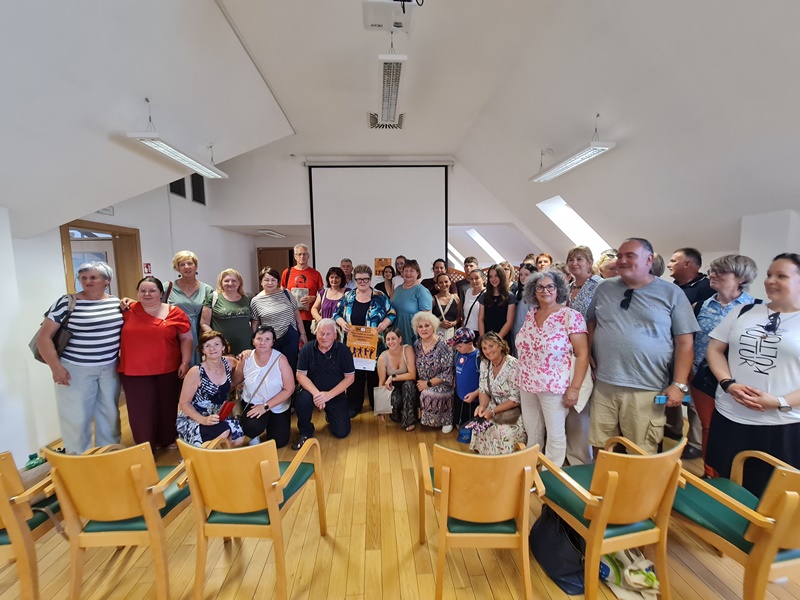
This historical milestone represents a collective triumph for the entire international consortium, co-funded by the European Union under the CERV programme. The successful implementation of the project was made possible through the unwavering dedication and cross-border cooperation of all participating partners: Društvo za razvijanje prostovoljnega dela Novo mesto (Slovenia) as the lead coordinator, Centar za podršku lokalnog i regionalnog razvoja CEP (Montenegro), Danube 1245 (Serbia), Lokalna akcijska grupa Prigorje-Zagorje (Croatia), Nyugat-Pannon Regional Development Nonprofit Ltd. (Hungary), Udruženje Slovenaca 'Triglav' (Bosnia and Herzegovina), and the Municipality of Soriano nel Cimino (Italy). Together, these organizations have not only achieved their structural goals but have laid down a permanent foundation for unity, solidifying a shared European identity that will inspire and empower future generations for years to come.